Solar Arrays
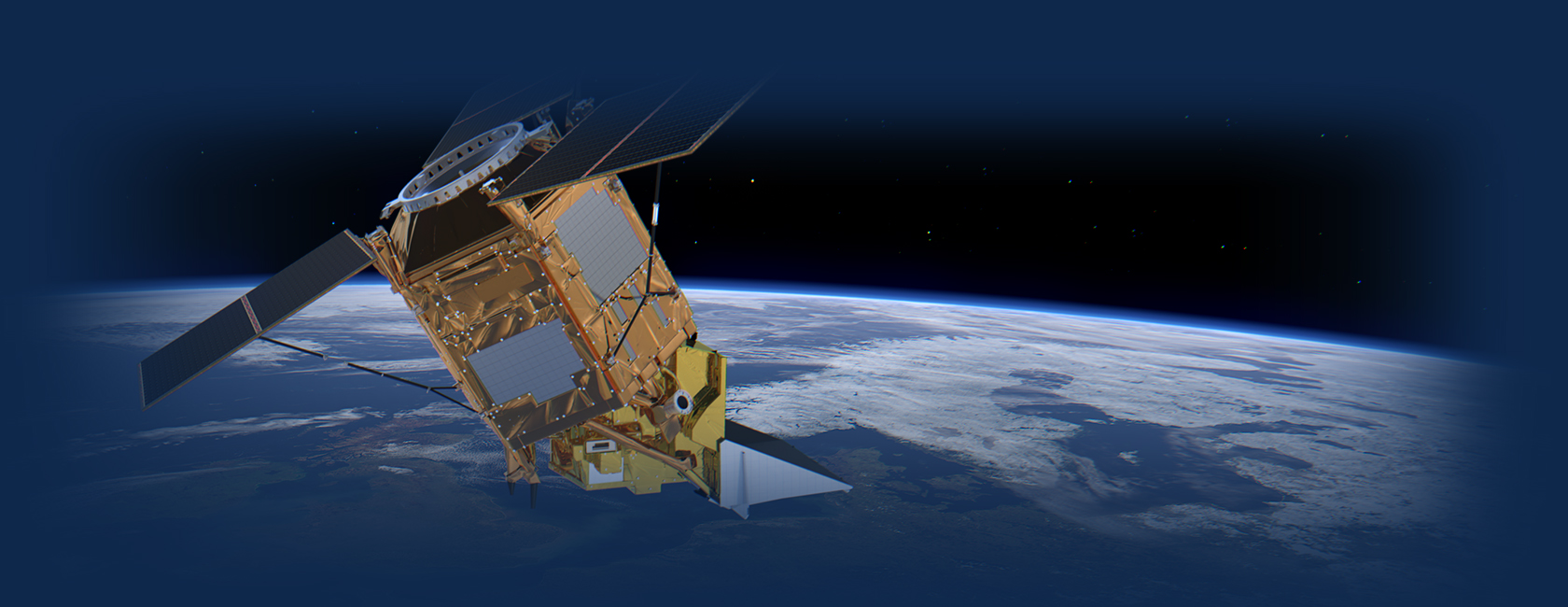
Airbus Defence and Space Netherlands has provided satellites with power since 1979...
To Solar Arrays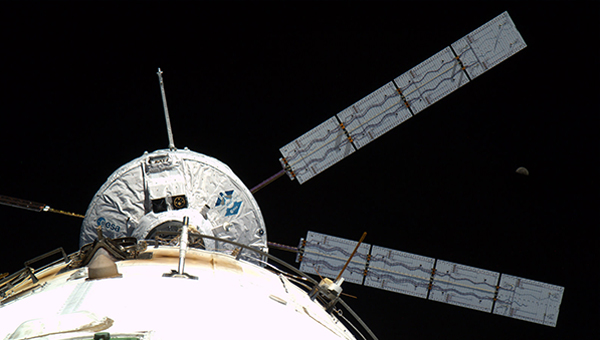


April 16th, 2024 Airbus Tech Hub to kick-off in the Netherlands. Read More »
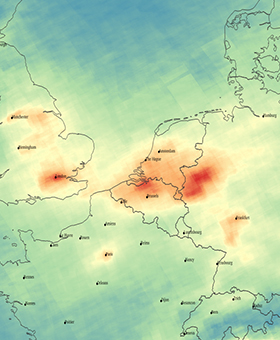
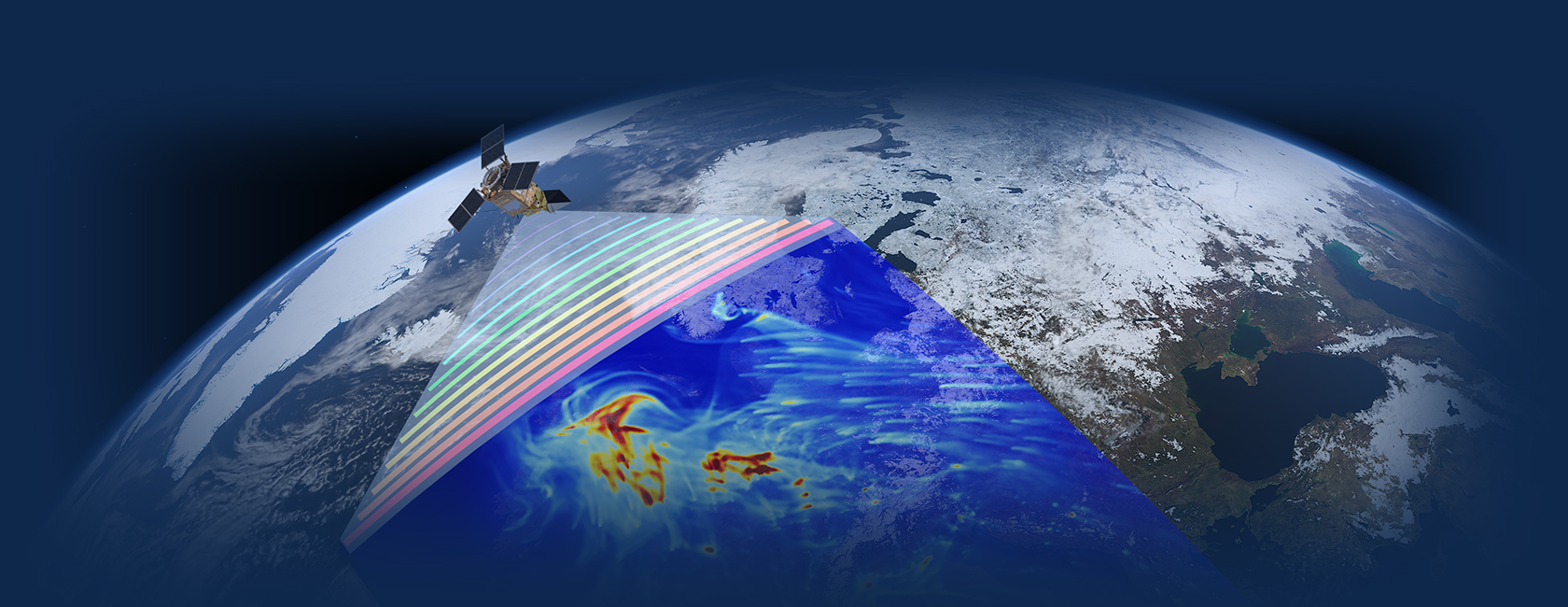
April 12th, 2024 PACE climate satellite releases first images. Read More »
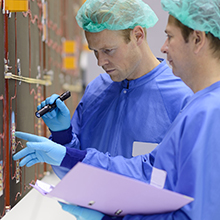
Airbus Netherlands is continuously searching for new chances and possibilities. Read more »

Airbus Netherlands is Nederlands van oorsprong. Wat in 1968 begon als de ruimtevaartafdeling van vliegtuigconcern Fokker, groeide uit tot een zelfstandig bedrijf gespecialiseerd in innovatieve ruimtevaarttechnologie. Ook als onderdeel van de Airbusgroep blijft onze eigen, noem het typisch Nederlandse, aanpak overeind: betrouwbaar, oplossingsgericht, met een helder einddoel voor ogen en altijd in voor (internationale) samenwerking.